October 19, 2026
The kitchen is one of the most frequently used spaces in a home, serving as a place for preparing meals, gathering with family, and entertaining guests. Over time, outdated cabinets, worn countertops, limited storage, and inefficient layouts can make this important room less enjoyable to use. Homeowners may become accustomed to these inconveniences without realizing how much a better-designed space could improve their daily routines. Investing in kitchen remodeling can address these concerns while giving the home a refreshed appearance and more practical features. From improving storage to updating lighting and replacing aging surfaces, even carefully planned changes can make a noticeable difference. A kitchen renovation also provides an opportunity to address maintenance issues and select materials suited to the household's lifestyle. Rather than postponing improvements indefinitely, homeowners can evaluate their current kitchen and identify changes that offer the greatest benefits. Understanding the reasons to prioritize this project can help determine whether now is the right time to update the space.
Improving Everyday Kitchen Functionality
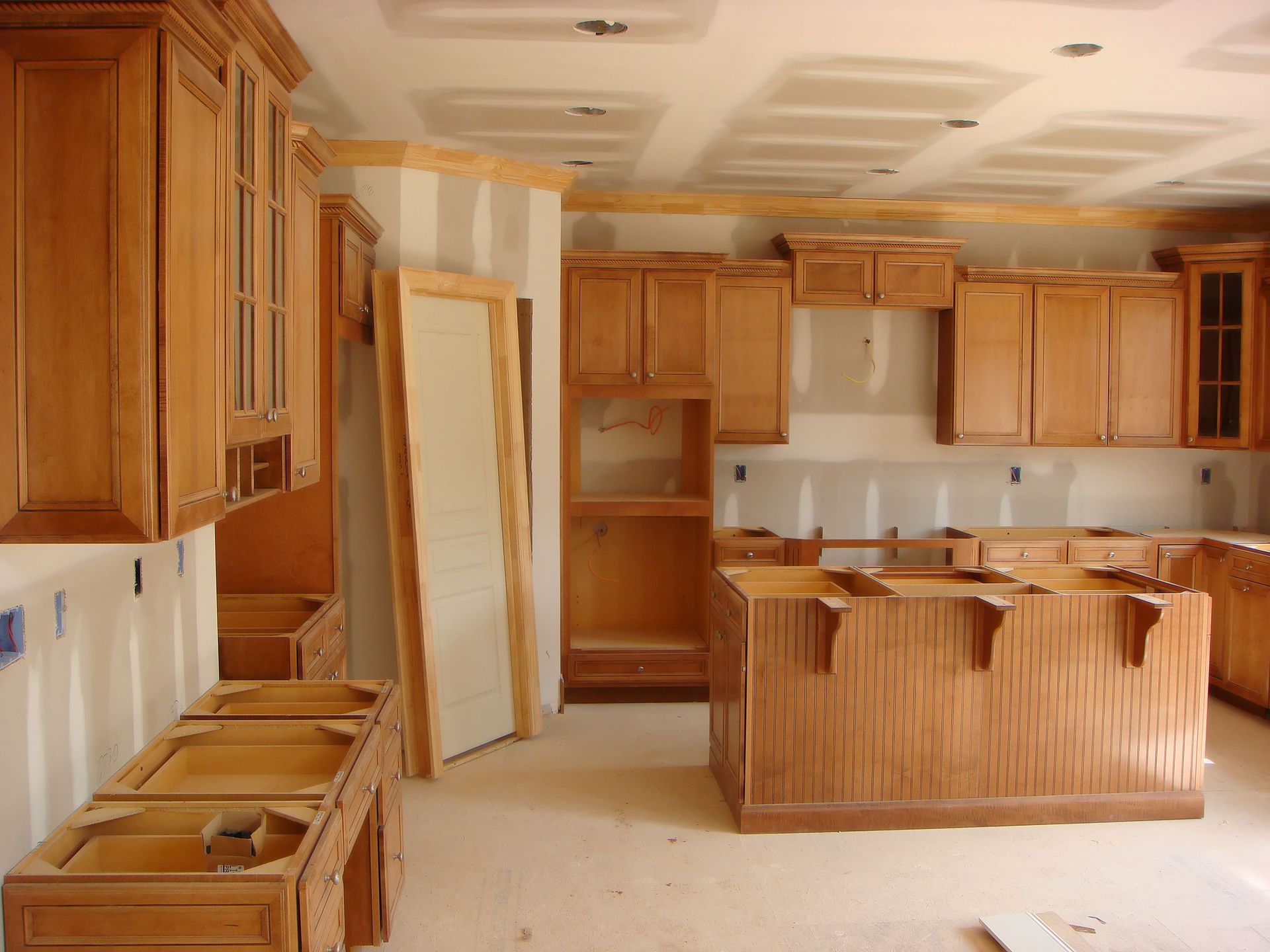
A kitchen should support everyday activities without making simple tasks unnecessarily difficult. When appliances are poorly positioned, counters are overcrowded, or storage is inconvenient, preparing meals can become frustrating. A thoughtful renovation can improve the arrangement of work surfaces, appliances, cabinets, and frequently used items. Homeowners might consider adding drawers for cookware, creating dedicated pantry storage, or adjusting counter space to accommodate meal preparation. The existing layout should be evaluated before construction begins to determine which changes will make the biggest difference. A professional contractor can help assess the available space and identify practical improvements that suit the household's routines. Effective kitchen remodeling focuses on more than appearance by making the room easier to navigate and maintain. These functional changes can help create a kitchen that works better for everyday cooking and family activities.
Updating Outdated Cabinets and Countertops
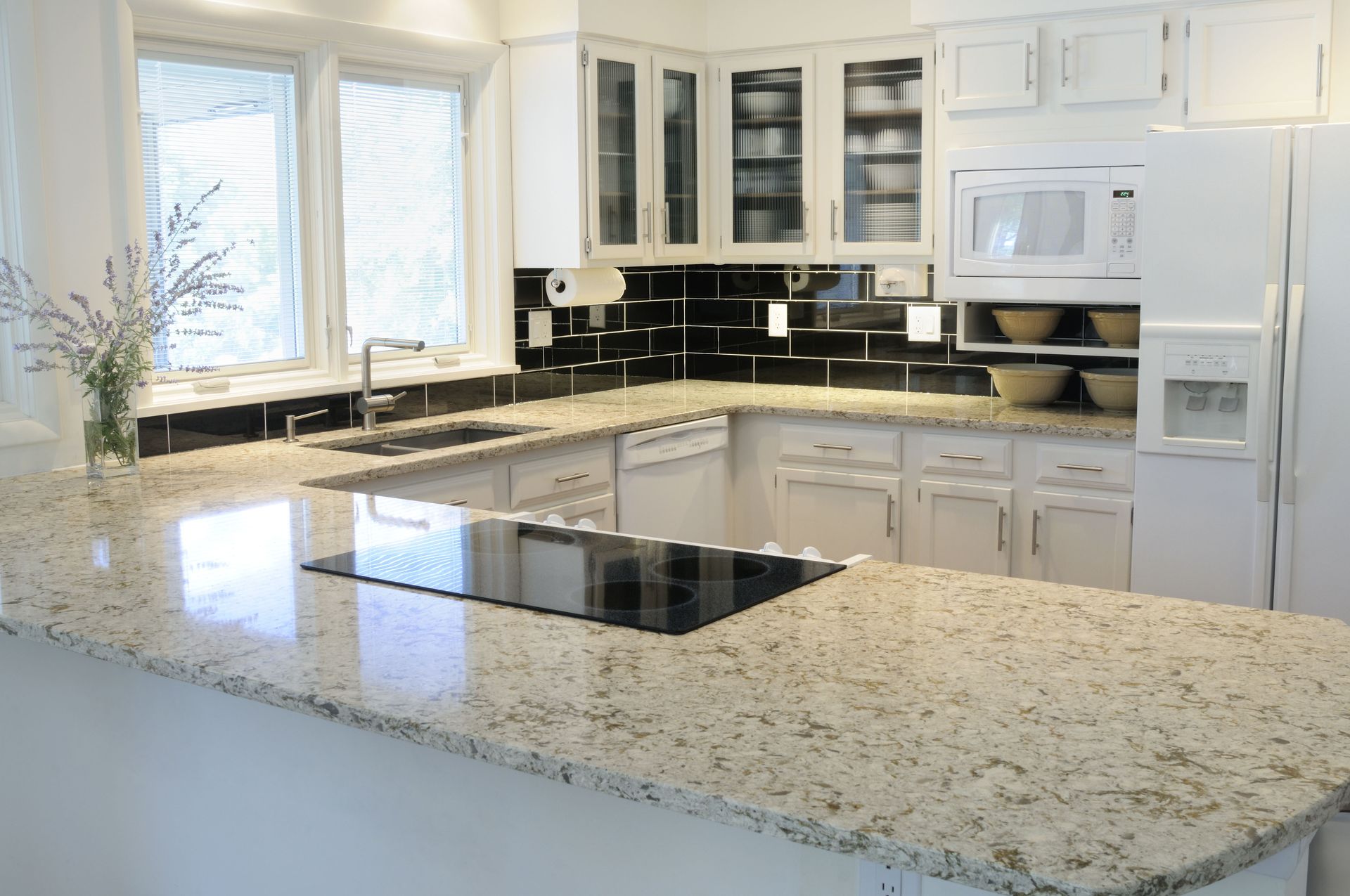
Cabinets and countertops influence both the appearance and usability of a kitchen. Scratched surfaces, damaged cabinet doors, worn finishes, and limited storage can make the room feel dated even when other features remain in good condition. Replacing cabinets may provide an opportunity to improve organization with adjustable shelving, deeper drawers, or more accessible storage areas. Homeowners who prefer to retain existing cabinetry might consider refinishing or replacing selected components when the structure remains suitable. Countertop options vary in appearance, durability, maintenance requirements, and cost, so material selection should reflect how the kitchen is used. Choosing coordinated finishes can also help create a more consistent design throughout the room. A renovation allows homeowners to compare these options before committing to materials and installation methods. Updating these prominent surfaces can give the kitchen a fresh look while addressing practical concerns.
Creating More Comfortable Gathering Spaces
The kitchen often becomes a natural meeting place where family members talk, children complete activities, and guests gather during celebrations. However, cramped walkways, insufficient seating, or limited preparation areas can make hosting more difficult. A renovation may provide opportunities to improve movement through the room and create more comfortable spaces for shared activities. Depending on the available floor area, homeowners might consider a breakfast bar, a larger island, or a more open connection to an adjoining living or dining area. Any layout changes should preserve safe movement around appliances and maintain adequate working clearances. Lighting and seating choices can also influence how welcoming the kitchen feels. Kitchen remodeling can help transform an underused or inconvenient room into a space that better supports household interaction. Thoughtful design ensures the kitchen remains practical for cooking while accommodating the people who use it.
Increasing Storage and Reducing Clutter
Insufficient storage can make even a spacious kitchen feel crowded. Pots, pans, small appliances, food containers, and pantry items often compete for limited cabinet and counter space. Over time, clutter can make meal preparation less efficient and create additional cleaning work. Renovating the kitchen gives homeowners an opportunity to review their belongings and identify better ways to organize frequently used items. Pullout shelves, drawer dividers, vertical storage, and dedicated pantry areas may help make better use of available space. The most suitable solutions depend on the room's dimensions, cabinetry design, and household needs. Homeowners should consider their daily habits before choosing storage features that may not be useful in practice. A well-organized kitchen can make routine tasks easier and help keep counters clear. Improving storage can therefore deliver lasting convenience alongside a more polished appearance.
Improving Lighting and Energy Efficiency
Lighting affects how comfortable, functional, and inviting a kitchen feels throughout the day. A single overhead fixture may leave shadows across countertops, making food preparation and cleanup less convenient. Renovation planning allows homeowners to consider a combination of general lighting, task lighting, and accent fixtures. Under-cabinet lights can illuminate work surfaces, while carefully positioned ceiling fixtures provide broader coverage. Homeowners may also explore energy-efficient lighting and appliances when existing equipment needs replacement. The right selections depend on household usage, installation requirements, and the overall renovation budget. Kitchen remodeling can create an opportunity to improve visibility and review energy use without replacing every component unnecessarily. Combining appropriate lighting with efficient equipment can support a more comfortable and practical kitchen environment.
Addressing Wear and Maintenance Problems
A kitchen's frequent use exposes surfaces, fixtures, and plumbing connections to regular wear. Leaking faucets, damaged flooring, deteriorating caulk, and loose cabinet hardware can become increasingly inconvenient when repairs are repeatedly postponed. According to Industry Research, kitchen renovations represent approximately 25% of household remodeling projects, reflecting the prominent role this space plays in home improvement. Homeowners planning a renovation should distinguish between cosmetic concerns and problems that may require more immediate attention. A contractor can help identify visible damage and determine whether additional inspections are needed for plumbing, electrical systems, or other concealed components. Addressing these issues during a planned project may reduce the need to reopen finished areas for later repairs. Material choices should also account for moisture, heat, spills, and the demands of everyday use. Taking a practical approach helps homeowners create a kitchen that is attractive and easier to maintain.
Supporting Your Home's Long-Term Appeal
A thoughtfully updated kitchen can contribute to the overall presentation and functionality of a property. Buyers often evaluate kitchens when considering whether a home meets their needs, although the financial return on a renovation depends on many factors. Local market conditions, project costs, workmanship, and the quality of the finished design can all influence the outcome. Homeowners should avoid assuming that every expensive upgrade will increase resale value by the same amount. Instead, they can focus on improvements that make sense for the property's condition and the household's plans. Durable materials, useful storage, consistent finishes, and a practical layout can help the space remain appealing over time. Kitchen remodeling may also make the home more enjoyable for current occupants, even if selling is not an immediate goal. Balancing personal preferences with long-term practicality can help homeowners make better renovation decisions.
Planning a Kitchen Renovation That Fits Your Needs
Successful renovation projects begin with a clear understanding of priorities, available space, and budget. Homeowners should decide which problems need attention first and which design features would provide the greatest everyday benefits. Establishing a realistic budget helps guide decisions about cabinetry, countertops, appliances, lighting, flooring, and labor. It is also important to account for possible unexpected expenses, especially when older materials or concealed systems may need repair. A written project scope can clarify which tasks are included and help prevent misunderstandings during construction. Homeowners should review contractor experience, references, insurance, and applicable licensing before making a selection. PTP Renovations can help homeowners explore options for updating their kitchens according to their goals and the needs of their properties. Contact us to discuss your kitchen project and take the next step toward creating a more functional, attractive, and comfortable space.